
Water extraction that considers what's underneath before it begins
Removing standing water quickly matters, but so does doing it in a way that protects the flooring and finishes beneath it. All Restoration matches extraction equipment to the material at hand.
Email Us for a Free Estimate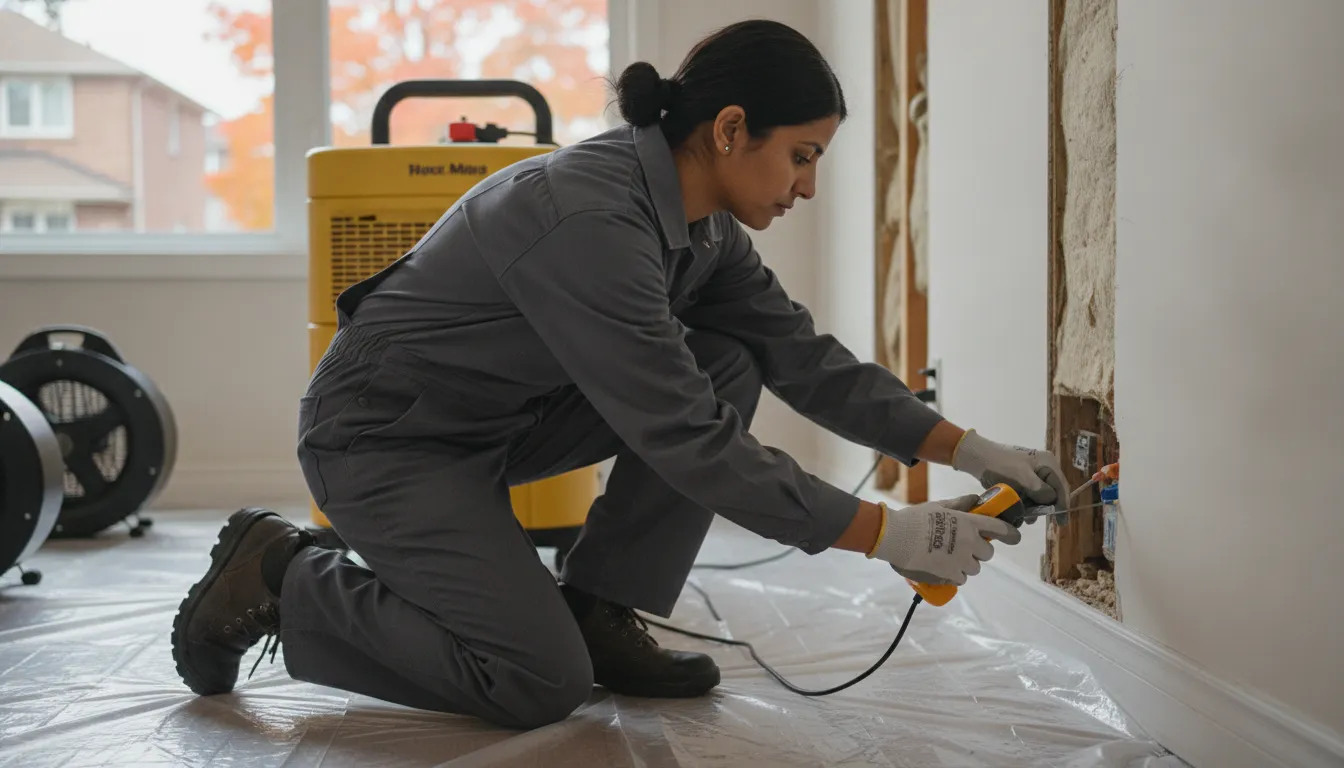
Extraction as the foundation for everything that follows
How water is extracted shapes how well the rest of the restoration goes. Pulling water off original hardwood in an older Markham home calls for a different method than clearing it from a tiled basement floor in a newer build, and getting this stage right reduces the drying and repair work that follows.
Reading the flooring type first
We assess whether flooring is hardwood, engineered, laminate, tile or carpet before choosing an extraction method, since each responds differently to standing water.
Extracting before deeper absorption
The faster standing water is removed, the less opportunity it has to soak into subfloor and framing beneath the surface.
Protecting furnishings in the process
We work carefully around furniture and belongings during extraction rather than treating the space as an empty shell.
Setting up for structural drying
Extraction is the first stage of a longer drying process, and we plan the handoff between the two from the outset.
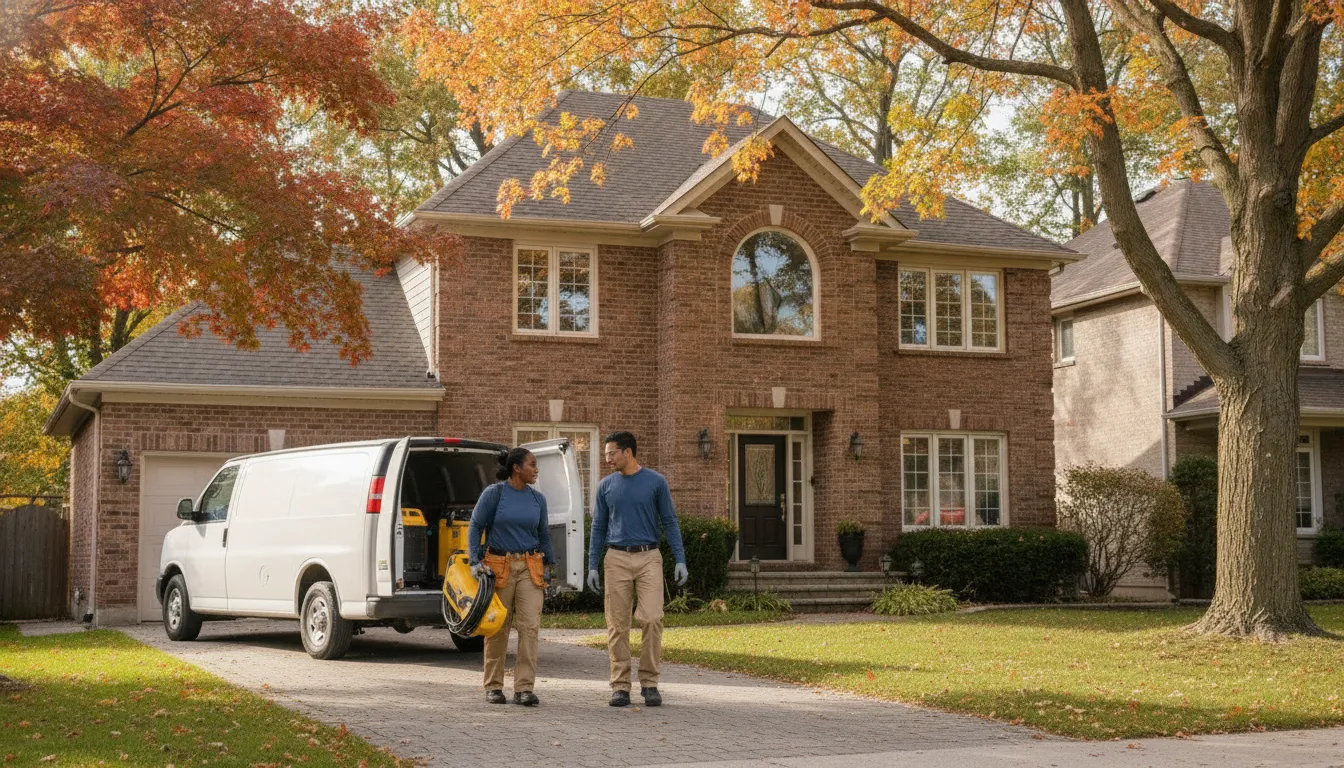
The wrong extraction approach can do as much harm as the water itself
Using the wrong equipment or technique on delicate flooring, such as original hardwood found in many established Markham homes, can worsen cupping or finish damage that might otherwise have been avoidable with a more careful approach.
Extraction matched to the material, not a generic default
We choose extraction equipment and technique based on what's actually installed, treating hardwood, engineered flooring, tile and carpet each according to how they respond to standing water, protecting your finishes through the process rather than just clearing the water.
Our water extraction process
A careful sequence that prioritizes both speed and material protection.
- 1
Flooring & materials assessment
We identify the flooring type and materials involved before beginning extraction.
- 2
Extraction equipment selection
Equipment and technique are chosen based on the specific flooring and finishes present.
- 3
Water removal
Standing water is extracted promptly to limit further absorption.
- 4
Contents care
Furnishings and belongings are handled carefully throughout the extraction process.
- 5
Transition to drying
Once extraction is complete, the space moves into a structural drying plan.
Why our extraction approach protects more of your home
Extraction is the first decision point in a restoration project, and it deserves the same care as every stage after it.
Materials-first decisions
We choose extraction methods based on the actual flooring and finishes in your home.
Fast, prompt response
We move quickly to limit how much water absorbs into subfloor and framing.
Licensed & insured
Extraction work is backed by proper licensing and insurance throughout.
Careful with belongings
We treat furnishings and contents with care rather than rushing past them.
Seamless handoff to drying
Extraction is planned as the first stage of a coordinated drying process.
Experience across housing types
We've extracted water from flooring in older and newer Markham homes alike.
Water extraction questions
How is extraction different from drying?
Extraction removes standing and surface water quickly, while structural drying addresses moisture trapped in subfloor, framing and finishes over a longer period.
Can hardwood floors be saved after water extraction?
It depends on how long the water was standing and how it's extracted. Prompt, careful extraction improves the odds of preserving original hardwood.
Do you extract water from carpeted areas too?
Yes, we adjust our extraction method for carpet, padding and the subfloor beneath it, which each hold water differently.
How fast should extraction happen after flooding?
As soon as possible. The longer water sits, the further it absorbs into subfloor and framing beneath the visible surface.
How do I request extraction service?
Email us with details of your situation and we'll respond with next steps.
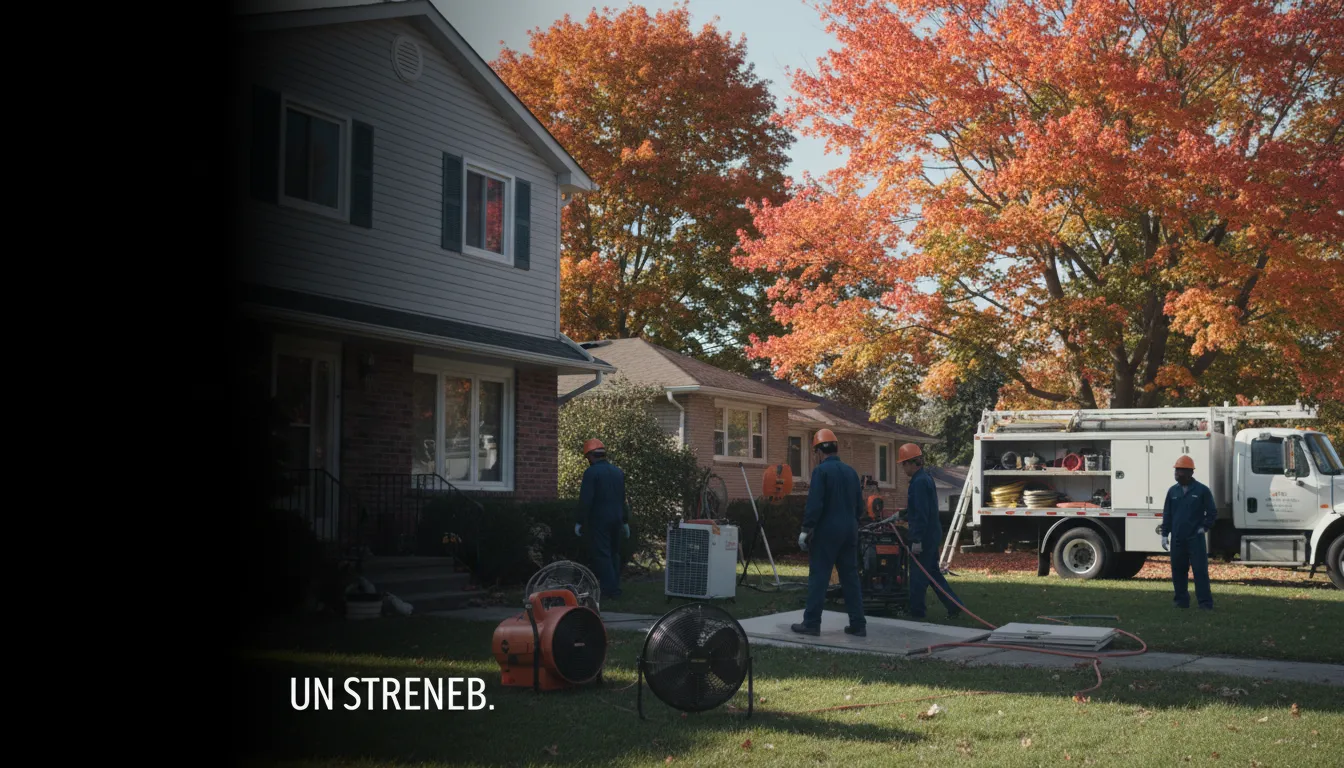
Let's get the water out and protect what's underneath
Email us today to arrange prompt, careful water extraction.
Email Us for a Free EstimateWeather drives water-damage risk — email us if you find water.
Fall water-damage conditions in Markham, ON
Fall rain around Markham, ON tests gutters, sump pumps, and foundations; catching leaks and seepage early prevents the slow water damage and mold that surface over winter.
Proudly Serving Markham, ON
Local, on-time service throughout Markham and the surrounding area.